Table Of Content
Sardines are filled with hair-boosting nutrients like omega-3 fatty acids which may reduce hair loss and increase hair density, and vitamin D which supports hair follicle development. The best type of diet to get all these nutrients every day without even thinking about it is the Mediterranean-style diet, which is packed with fiber-filled produce, 100% whole grains and healthy fats. This style of eating also includes foods to support your gut microbiome, and having a healthy gut flora is essential for helping with nutrient absorption to bolster the hair, skin and nails.
Omega Fatty Acids

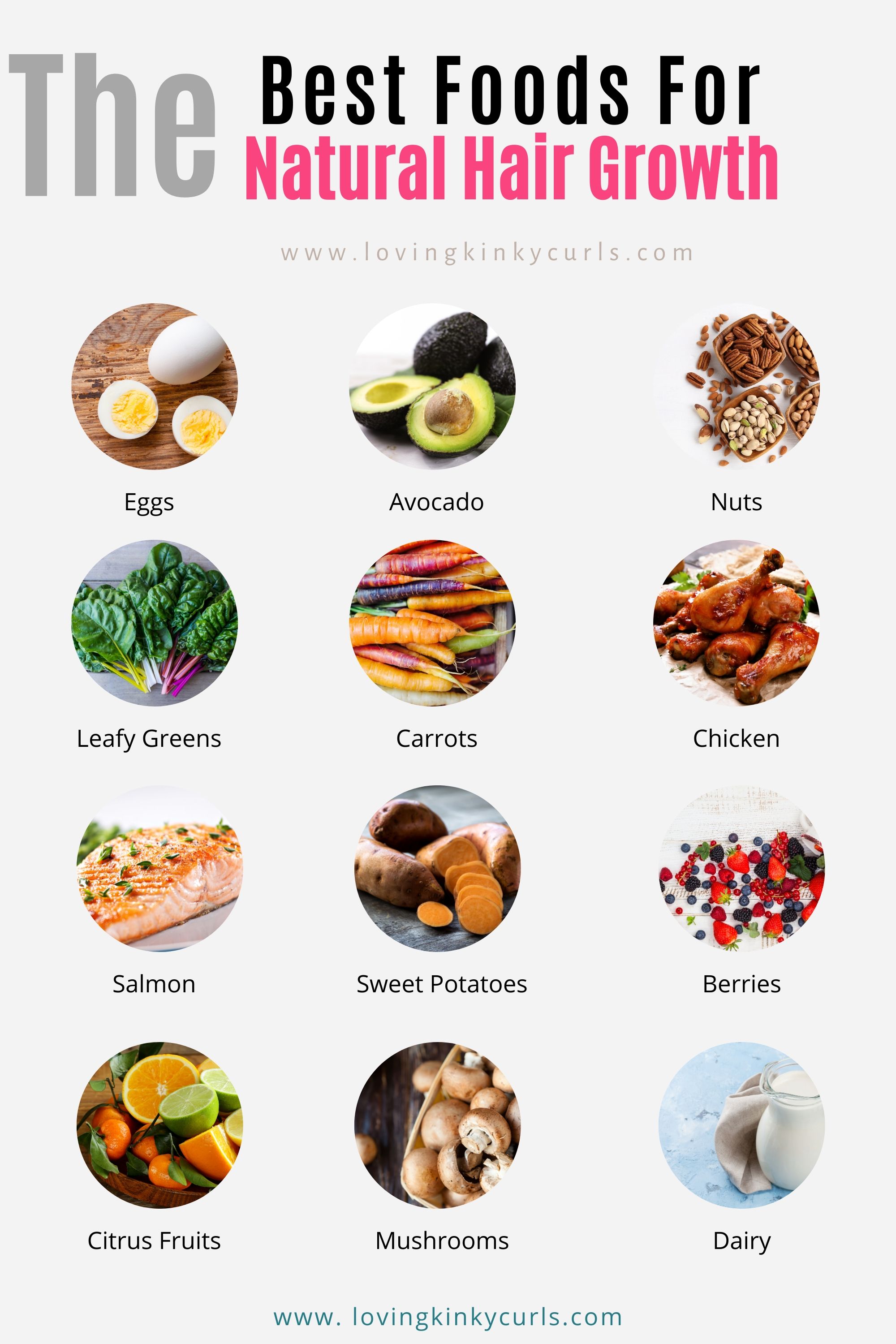
Spinach and other leafy green vegetables are excellent sources of micronutrients, like vitamin C and iron. Berries like strawberries, raspberries, and blueberries, are loaded with micronutrients and antioxidants. For example, vitamin C is a powerful antioxidant found in berries and citrus fruits. Eggs are also a good source of other nutrients like selenium, zinc, B vitamins, and vitamins A, D, E, and K.
Fatty fish for omega-3 fatty acids and protein
Furthermore, nuts provide zinc, B vitamins, and essential fatty acids needed for hair growth. Because peanuts are super filling, they are an ideal swap for meat if you are vegetarian or vegan. Loaded with beta-carotene antioxidant that turns into vitamin A, sweet potatoes help protect against dull hair. Vitamin A encourages sebum production, which aids keep hair healthy and protects it from free radicals.
Best Foods That Will Help Your Hair Grow Thicker and Stronger, According to Dermatologists
She specializes in lifestyle topics, including home, health, parenting, beauty, style, food, entertaining, travel and weddings. She has written for Glamour, People, Good Housekeeping, Women's Health, Real Simple, Martha Stewart, Apartment Therapy, The Spruce, and more. Mounting scientific evidence is showing that you can eat your way to stronger, thicker, and shinier hair. Like eggs, whole grains are chock full of L-cysteine, as well as biotin and zinc. Vitamin D3 deficiency is a common issue globally, and it influences your hair, among other health concerns, according to Gaunitz. A 7-ounce serving of Greek yogurt covers over 40% of your daily needs for both B12 and selenium.
9 Food for Hair Growth and Thickness - Diet for Healthy Hair - Metropolis Healthcare
9 Food for Hair Growth and Thickness - Diet for Healthy Hair.
Posted: Fri, 22 Sep 2023 20:44:30 GMT [source]
Yogurt
Oysters are an excellent source of zinc, with just two oysters covering 100% of your daily needs for this nutrient. Oysters also provide other nutrients important for hair health, including protein, B12, and selenium. Organ meats, such as beef liver, provide iron, zinc, and selenium, which are minerals that are involved in hair growth cycle regulation. Bell peppers are chock full of vitamins C and A and biotin, essential for keeping hair healthy. Bell peppers come in various colors, including red, yellow, green, and orange.
Flaxseeds provide a type of omega-3 fatty acid that is not used by the body as efficiently as the omega-3s found in fatty fish. In one older study, people with hair loss experienced 34.5% more hair growth after taking a vitamin E supplement for 8 months (17). However, there are only a handful of studies on omega-3 fatty acids and hair growth.
Vitamin D
When people talk about hair strengthening, they usually refer to the texture of the hair shaft, which is the visible part outside your skin. Like citrus, papaya is filled with hair-perfecting vitamin C, which protects collagen. St. Surin-Lord also calls out the fact that papaya is high in fiber and carotenoids, which aid in scalp health. Vitamin A is an antioxidant that regulates cell turnover and oil production.
Vitamins and Nutrients In the Best Foods for Hair Growth
But there has been a randomized double-blind, placebo-controlled study of compounds in hot peppers and soy, showing significantly higher promotion of hair growth. You can get 6 mg of capsaicin in just a quarter of a fresh jalapeno pepper a day. And you can get 75 mg of isoflavones eating ¾ of a cup of tempeh, or just straight soybeans. Plus, the vitamin C in these leafy veggies helps to protect the cell membranes of hair follicles while vitamin A helps the skin glands to produce sebum. You need both to maintain moisture in the scalp, preventing it from becoming dry and itchy, which may lead to hair breakage. Spinach is also rich in iron, and we already know that an iron deficiency can cause hair loss.
Although reducing your stress levels might seem insurmountable, making sure you’re eating the right things will go a long way to setting a good foundation for optimum hair growth. A healthy balanced diet is also important in stress reduction too as it can support a healthy immune system, repair damaged cells and even reduce elevated cortisol levels. Getting enough protein in your diet is essential as it provides the building blocks for proper hair growth; meat, tofu, eggs, beans, grains, nuts, and fish are all good protein sources. Some studies suggest that telogen effluvium can also be connected to low levels of iron, so include iron-rich foods like leafy vegetables, lentils and liver where you can. If you like the idea of adding supplements to your routine, there are some which are specifically formulated to contain ingredients that increase hair thickness and health. Seeds are an excellent source of nutrients that may promote hair growth, such as vitamin E, selenium, and zinc.
More studies are needed before health experts can make any recommendations. 'Men need around 11 milligrams of zinc daily for optimal hair growth,' says Yawitz. 'You can get all the zinc you need in a day by eating just two medium oysters at your next dinner party.' We don’t know about you, but you don’t need to give us an excuse to eat more oysters. 'Most adults can get all the omega-3 fatty acids they need by eating just two servings of salmon weekly,' says Yawitz. You can have your salmon grilled, broiled, raw, or mixed in with scrambled eggs—a great source of biotin. Oxidative stress from free radicals can play a role in the development of immune system diseases like alopecia areata.
In fact, a zinc deficiency may contribute to sudden patchy hair shedding (telogen effluvium) as well as alopecia areata and pattern hair loss (Guo, 2017). Fortunately, if a nutrient deficiency is the cause of your telogen effluvium, correcting the deficiency will usually reverse the hair loss. Vitamin E is a powerful antioxidant that helps protect cells from damage caused by oxidative stress (Almohanna, 2019). Leafy greens, like spinach, contain folate and iron, which are both important for maintaining a healthy blood supply to your hair. They also contain vitamin C, which assists with strengthening collagen production, says Taub-Dix. Of course, you can find plenty of vitamin C in fruits like oranges, strawberries, and kiwi, but red bell peppers will easily knock your daily value out of the park with 95 mg per 1/2 cup.
Both Gomer and Yawitz say vitamin E is an antioxidant that helps prevent oxidative stress that may lead to hair loss, since it can help protect the hair follicles from damage. Potential deficiencies linked to hair health include vitamins B12, D, E, A, and biotin, riboflavin, folate, zinc, and iron. Greek yogurt is also rich in selenium, a mineral that can protect the hair follicle against oxidative damage, and vitamin B12.


No comments:
Post a Comment